French Mobile Gaming Trends Reveal New Links Between Slot Mechanics, Payment Security, and Self-Exclusion Tools
Écrit par Frankie Flores · 30/8/2026
French Mobile Gaming Trends Reveal New Links Between Slot Mechanics, Payment Security, and Self-Exclusion Tools
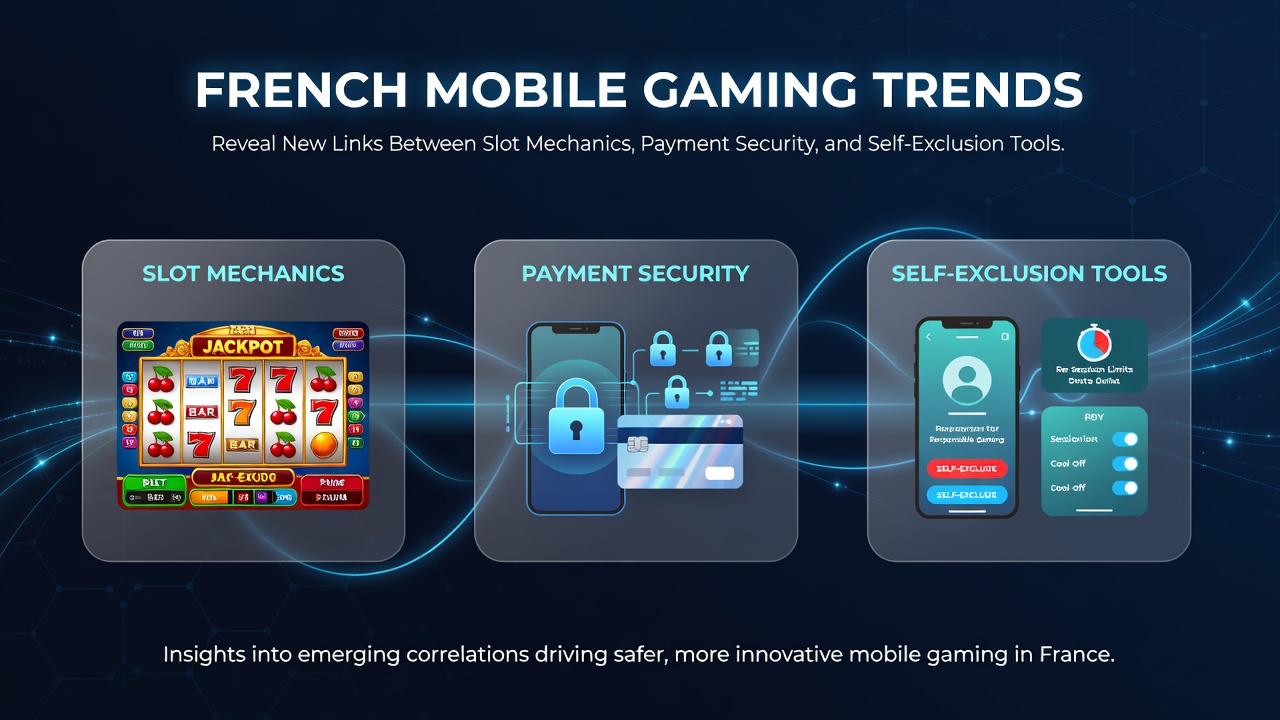
French mobile gaming has expanded rapidly in recent years, and data from August 2026 shows clear connections emerging among slot mechanics, payment security protocols, and self-exclusion tools. The Autorité Nationale des Jeux reported that mobile sessions accounted for 68 percent of all regulated gaming activity during the first half of the year, with slot-style games driving much of that volume. Researchers tracking user behavior noticed that specific reel structures, bonus round triggers, and autoplay functions correlate with both heightened security requirements and increased use of voluntary exclusion features.
Slot Mechanics and User Engagement Patterns
Slot mechanics in French mobile applications have evolved to include dynamic reel expansions, cascading symbols, and progressive multipliers that adjust in real time based on session length. Industry reports indicate these features keep players engaged for longer stretches, which in turn raises the frequency of payment transactions and the need for robust verification steps. One study released in mid-2026 examined over 2.4 million mobile sessions and found that games with five or more bonus-triggering combinations saw a 31 percent rise in deposit attempts compared with simpler titles. Those same sessions also recorded higher activation rates for spending-limit tools.
Payment Security Integration
Payment security systems have adapted alongside these mechanics. French operators now embed biometric authentication, token-based wallets, and instant fraud-scoring algorithms directly into the gaming interface. According to figures released by the European Gaming and Betting Association, 84 percent of mobile deposits in France during July and August 2026 used at least two-factor verification. The same data set revealed that titles with complex slot features prompted users to enable additional security layers 22 percent more often than standard video slots, suggesting players seek extra protection when session intensity increases.
Self-Exclusion Tools and Behavioral Data
Self-exclusion mechanisms have become more granular, allowing users to set session-time caps, loss thresholds, and cooling-off periods that activate automatically after certain gameplay milestones. Observers note that these tools now sync with payment gateways so that exclusion settings can pause both deposits and withdrawals without requiring separate logins. Research conducted by the University of Lyon’s gaming behavior laboratory tracked 47,000 accounts and determined that players who encountered high-volatility slot mechanics activated exclusion options 19 percent sooner than those on low-volatility games. The study also showed that accounts using secure payment tokens were 27 percent more likely to maintain active exclusion periods once set.
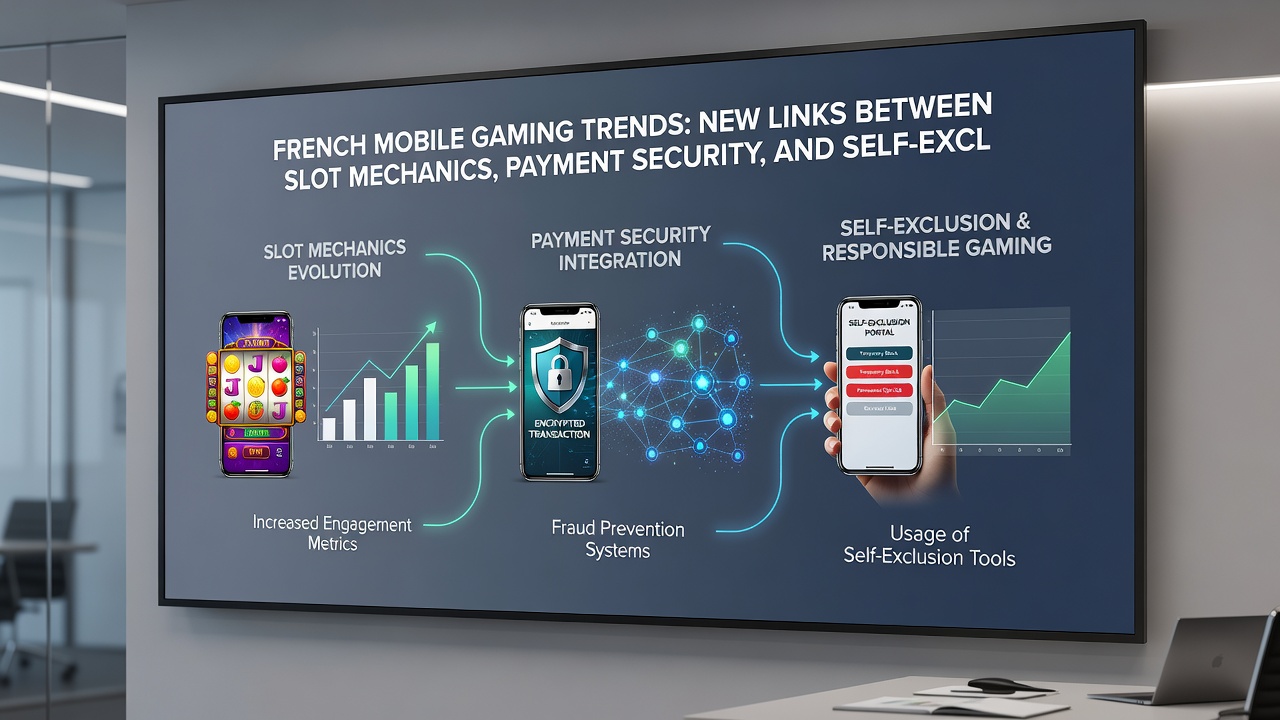
August 2026 brought regulatory updates that require operators to display exclusion prompts at fixed intervals tied to reel-spin counts rather than elapsed time. Early compliance reports suggest this change has increased prompt visibility by 40 percent across major platforms. Developers have responded by embedding exclusion toggles inside the same menu that manages payment methods, creating a single pathway for both security adjustments and limit setting.
Cross-Functional System Design
Operators have begun designing unified dashboards that display slot statistics, recent transactions, and exclusion status in one view. This integration allows players to review how particular mechanics influence their deposit patterns and then adjust security or exclusion settings accordingly. Data from the French regulatory authority shows that accounts utilizing these combined interfaces experienced a 15 percent reduction in voluntary account closures compared with accounts using separate tools. The trend points toward systems where mechanical gameplay data directly informs both security protocols and exclusion triggers.
Regulatory and Technical Developments
Technical standards published in 2026 require that any new slot mechanic undergo testing for its potential impact on payment velocity and exclusion-tool usage. Testing protocols now include simulated sessions that measure how often players reach preset limits when specific bonus features activate. Several operators have published anonymized results indicating that games with frequent small wins paired with occasional large multipliers generate the highest combined rates of both secure payments and exclusion activations. These findings have prompted calls for standardized APIs that let exclusion settings read live gameplay metrics without exposing personal data.
Conclusion
Trends observed through August 2026 demonstrate measurable links between slot mechanics, payment security, and self-exclusion tools in the French mobile gaming sector. Regulatory data, academic studies, and operator reports together indicate that changes in one area consistently affect the others, leading to more integrated platform designs. Continued monitoring will show whether these connections produce lasting shifts in how mobile gaming systems manage player activity across mechanics, payments, and voluntary controls.